

◆
The body's master intracellular antioxidant, central to hepatic phase II detoxification.
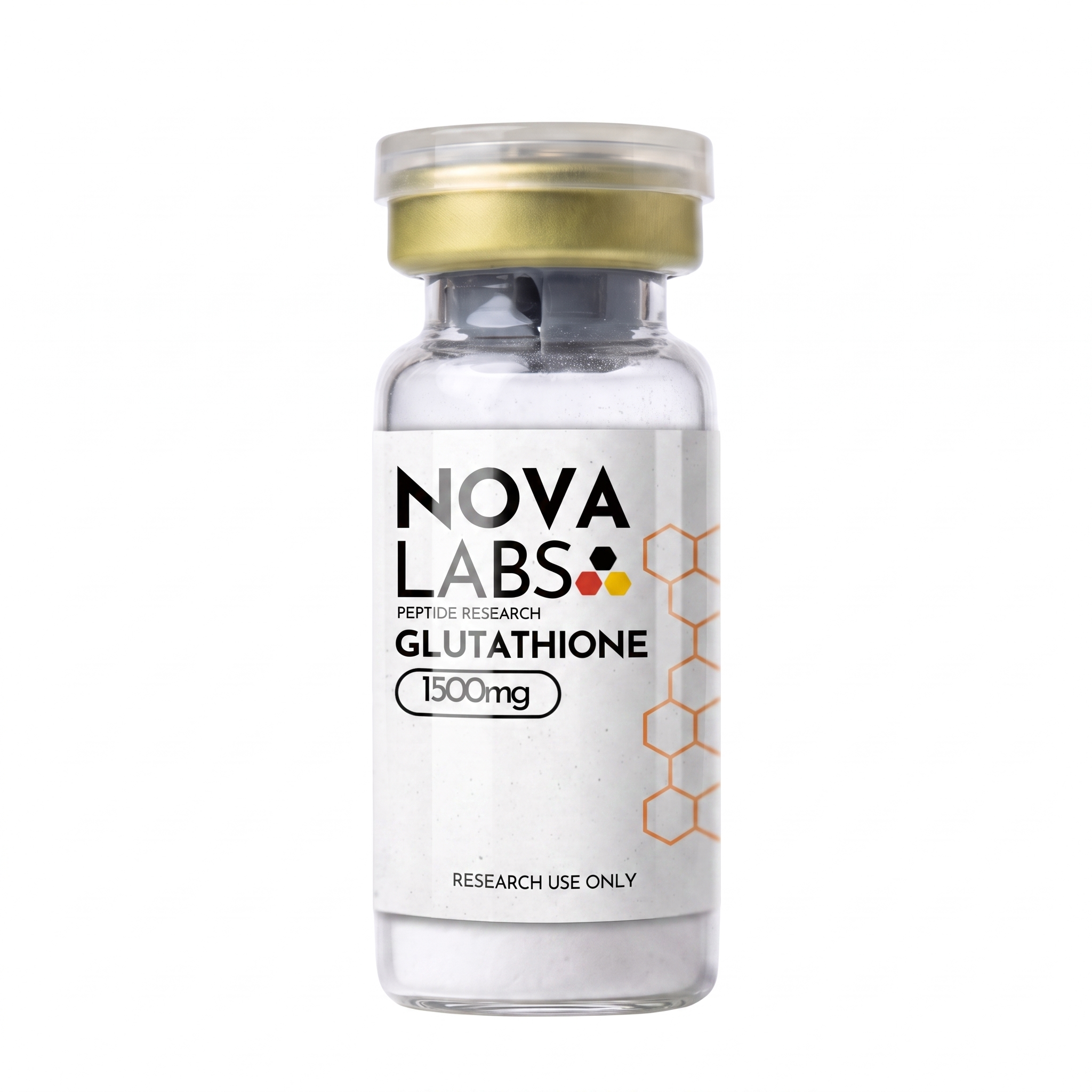
Dose ranges reflect commonly studied amounts in published research models. This is not medical advice. For research use only. Not for human consumption.
Protocol Comparison
Recovery
Research dose range
Standard research range
200 - 400 mg
Standard investigative concentration for general antioxidant and immune support.
Research focus
Intracellular antioxidant defense & liver detoxification
Observed window
4-8 weeks
Administration
1-2x weekly laboratory protocol
Primary pathway
Glutathione Peroxidase / Phase II Hepatic Conjugation
Dosing referenced from clinical antioxidant and hepatic health research. Strictly for laboratory research use.
PROTOCOL BENEFITS
◆
The body's master intracellular antioxidant, central to hepatic phase II detoxification.
◆
Neutralizes reactive oxygen species (ROS) and regenerates vitamins C and E to active forms.
◆
Protects cellular membranes, mitochondria, and immune function from oxidative stress.
SCIENCE
Glutathione is a tripeptide composed of glutamate, cysteine, and glycine synthesized naturally in the liver. It functions as the principal intracellular redox buffer, utilizing its active thiol group (-SH) to neutralize free radicals, heavy metals, and xenobiotic compounds.
Via glutathione peroxidase and glutathione S-transferase enzymes, it conjugates toxins for safe elimination while recycling other essential antioxidants, making it the bedrock of cellular defense against lipid peroxidation and mitochondrial decay.
WHAT TO EXPECT
Hepatic biomarker and systemic oxidative stress markers show measurable improvement over 4–8 week experimental cycles.
PROTOCOL NOTE
Available in 600 mg sterile vials. For laboratory research use only.
FAQ
Potent intracellular free radical scavenging and enzymatic Phase II hepatic conjugation, shielding cellular organelles and DNA from oxidative injury.
Oral glutathione is heavily degraded by digestive peptidases in the gut. Parenteral injection ensures direct bioavailability of the intact tripeptide to tissue capillary beds.
RELATED PRODUCTS