

◆
Carries the anti-inflammatory end of α-MSH. KPV is residues 11–13 of the hormone, and research suggests it works largely outside the classic melanocortin receptors.
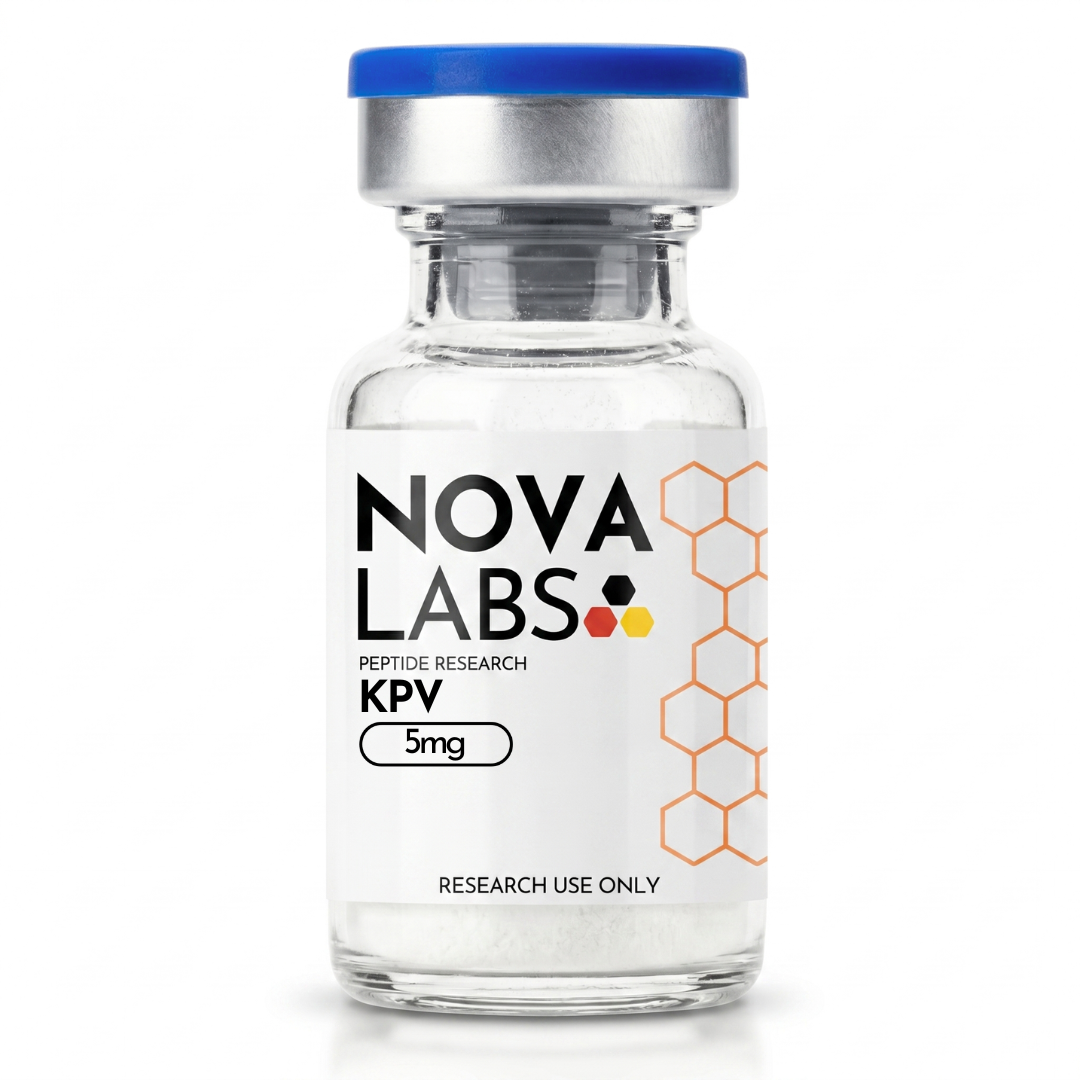
Dose ranges reflect commonly studied amounts in published research models. This is not medical advice. For research use only. Not for human consumption.
Protocol Comparison
Recovery
Research dose range
Standard research range
300 - 400 mcg
Core community protocol range for gut barrier and systemic inflammation research models.
Research focus
Inflammation / gut / skin
Observed window
Multi-week courses
Administration
Once daily (community-reported)
Primary pathway
NF-κB / MAPK / PepT1
Tier ranges reflect community-reported protocols, not a controlled dose-finding study; no human dose for KPV has been established. Preclinical findings: Dalmasso et al., Gastroenterology, 2008; Xiao et al., Molecular Therapy, 2017. For research use only.
PROTOCOL BENEFITS
◆
Carries the anti-inflammatory end of α-MSH. KPV is residues 11–13 of the hormone, and research suggests it works largely outside the classic melanocortin receptors.
◆
Absorbed through PepT1, a peptide transporter in the gut lining that becomes more active during inflammation, which put KPV at the center of colitis research.
◆
In cell and mouse models, it dampened NF-κB and MAPK signaling, two of the main switches behind inflammatory cytokine release.
SCIENCE
KPV is the last three amino acids of alpha-melanocyte-stimulating hormone (α-MSH): lysine, proline and valine. When researchers broke α-MSH into fragments to study its anti-inflammatory activity, this tiny C-terminal piece turned out to carry much of that effect on its own, and it appears to act largely outside the melanocortin receptors the full hormone relies on.
Its best-known work is in the gut. In 2008, Dalmasso and colleagues showed that intestinal cells take up KPV through the PepT1 transporter, and that it reduced inflammation in two mouse colitis models. Later work packaged KPV into hyaluronic acid nanoparticles to target inflamed colon tissue in mice. All of it is preclinical: no completed human trial has confirmed KPV's effects or dosing.
WHAT TO EXPECT
Research models track KPV through inflammatory markers like cytokine levels and tissue damage scores. Community protocols typically run in multi-week courses, but no human timeline has been established.
PROTOCOL NOTE
Available in 5mg and 10mg. For research use only. Full documentation included with every order.
FAQ
It keeps the anti-inflammatory end of the hormone in just three amino acids, and studies suggest it acts mostly outside the classic melanocortin receptors that full α-MSH relies on. That makes it a cleaner tool for studying inflammation on its own.
Intestinal cells absorb it through PepT1, a peptide transporter that becomes more active in inflamed gut tissue. That route made KPV a natural candidate for colitis models, and most of its published data comes from there.
RELATED PRODUCTS